
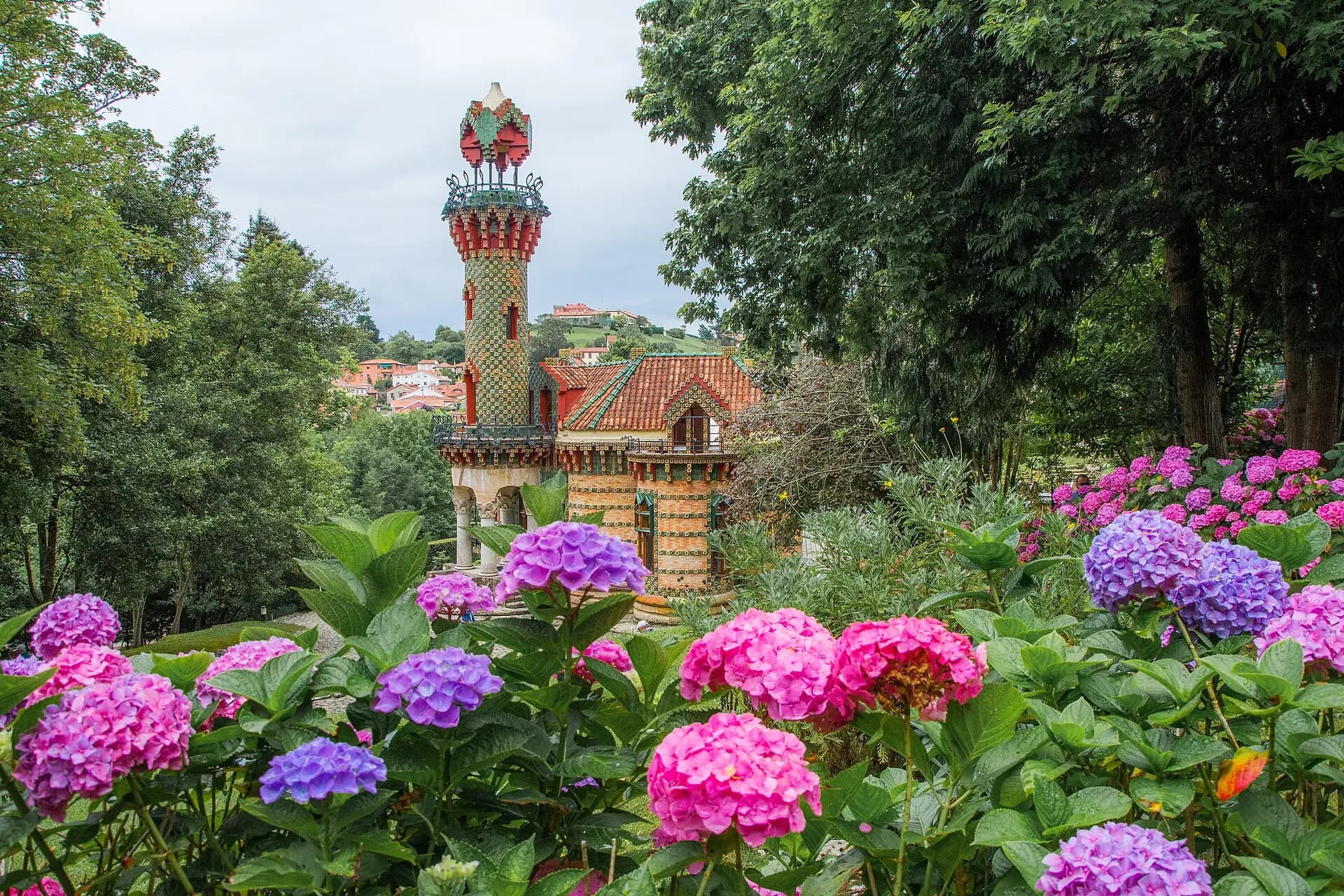
Cantabria by campervan: coast and Pas valleys
Four days in a campervan through Cantabria: the Pas valleys, Santander, Santillana del Mar, Gaudí's El Capricho in Comillas and San Vicente de la Barquera with the Picos behind. With the map, the stops, where to sleep and where to refuel.
Cantabria fits into a short break, and that's the beauty of it. In a handful of kilometres you go from the green inland valleys, the Pas valleys, with their stone huts and the smell of freshly baked sobao, to a coast of cliffs, estuaries and villages with palaces. Four days give you the countryside, the city and the sea with no long stages, which is exactly what a campervan wants.
This is the route we suggest: in through the Pas valleys, down to Santander, along the coast to Santillana del Mar and Comillas, and a farewell in San Vicente de la Barquera with the Picos de Europa peeking out behind the water. Four days is about how long our travellers' breaks tend to last: not too short, and no need to rush. Below you have the map with the real route, the kilometres for each day and what you shouldn't miss between one stop and the next.
- Days
- 4Cantabria
- Route in the area
- 89 km+ 782 km there and back from Plaza de Castilla
- Behind the wheel
- ≈ 1 h 45 minapprox., without stops
- Best time
- All year roundJune and September are the easiest; in winter, in a van with heating
Roads: Motorway to the coast and winding valley roads inland. Nothing technical: fine in a campervan if you take it easy.
Best Winkle: Índico · pop-up roof, heating and shower, in case an orbayo drizzle rolls in
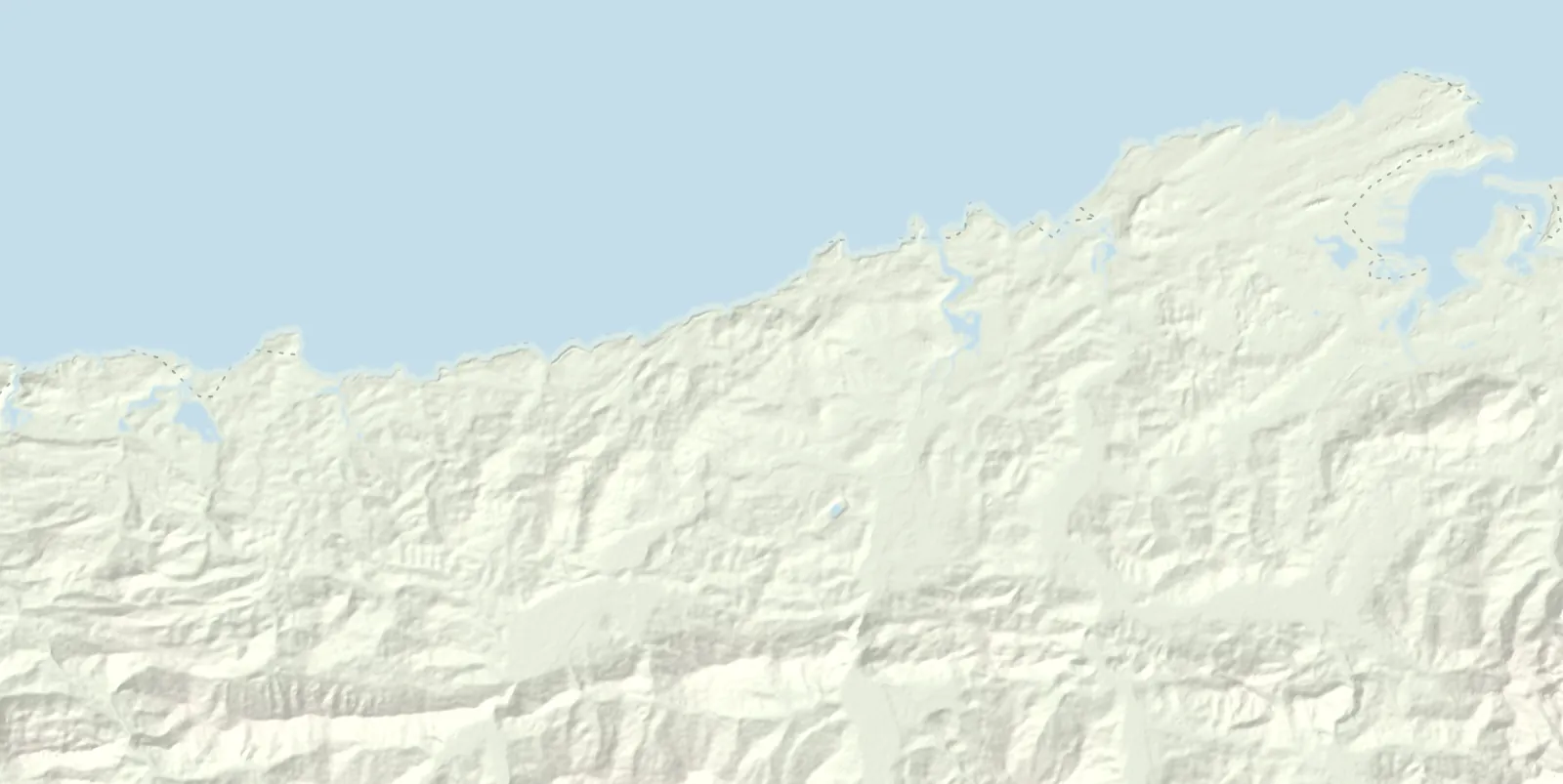 CANTABRIAN SEAPICOS DE EUROPAPASIEGO VALLEYS1Puente Viesgo2Santander3Santillana del Mar4Comillas5Oyambre Beach6San Vicente de la Barquera
- 1 Puente Viesgo
- 2 Santander
- 3 Santillana del Mar
- 4 Comillas
- 5 Oyambre Beach
- 6 San Vicente de la Barquera
From Plaza de Castilla: 361 km · ≈ 4 h 25 min Back to Plaza de Castilla: 421 km · ≈ 5 h 5 min
© OpenStreetMap contributors (trazado: OSRM) · Natural Earth · relieve: AWS Terrain TilesDay by day
From Madrid to the Pas valleys
Madrid (Plaza de Castilla)1Puente Viesgo 361 km ≈ 4 h 25 min
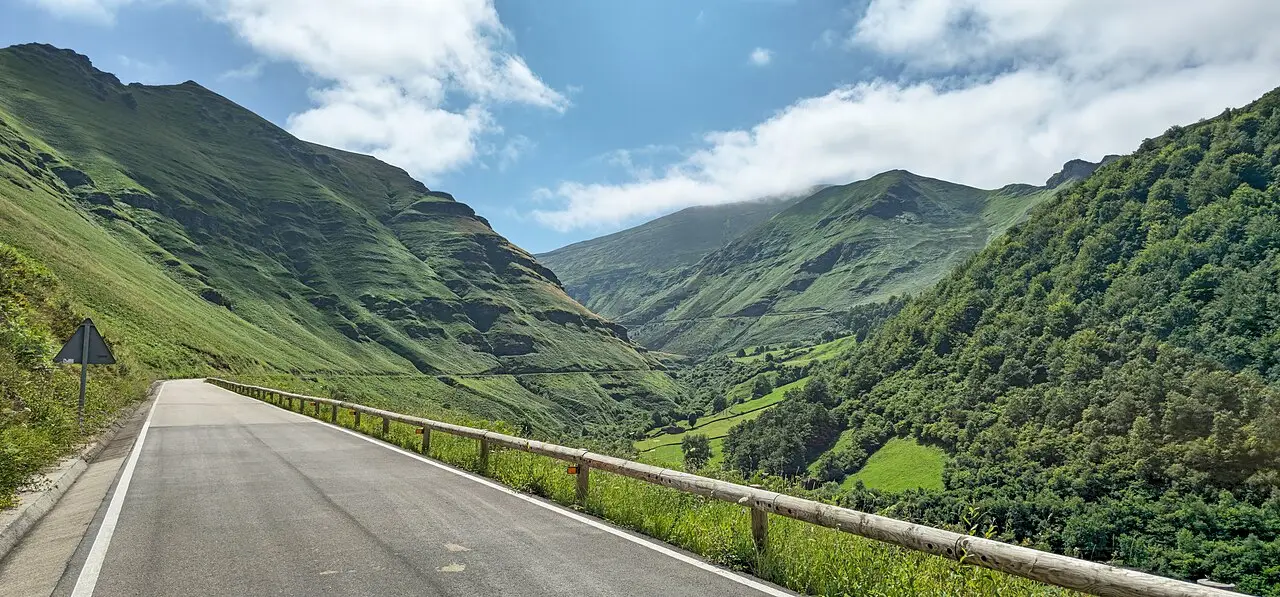
The Pas valleys, on the way to Vega de Pas.Photo: Giorgio Galeotti · CC BY-SA 4.0 A driving day, but with a reward at the end. Leave Plaza de Castilla and climb the plateau; as soon as you cross the Escudo pass and start heading down north, the landscape changes in one go: it turns green, the cows appear and stone huts dot the hillside. These are the Pas valleys, and it's worth arriving in daylight to see them.
Today's base is Puente Viesgo, on the banks of the river Pas. Right above the village, on Monte Castillo, sits one of the great treasures of European prehistory: the caves of El Castillo, Las Monedas, Las Chimeneas and La Pasiega, on the Unesco World Heritage list since July 2008, in the same group as Altamira. Visits need booking ahead and places are limited, so check times and tickets on the official Cantabria caves website before you turn up.
It's your first night in the van. If water and battery management are still new to you, the campervan manual gets you sorted in ten minutes.
What to see
- The Pas huts scattered across the meadows
- The river Pas as it runs through the village
- Monte Castillo, above Puente Viesgo
Where to sleepAround Puente Viesgo or the Pas valleys, in a service area or campsite.
Heads upIf you want to go inside the caves, book ahead: visits are in small groups and sell out in high season.
Santander, sea and city
1Puente Viesgo2Santander 28 km ≈ 30 min
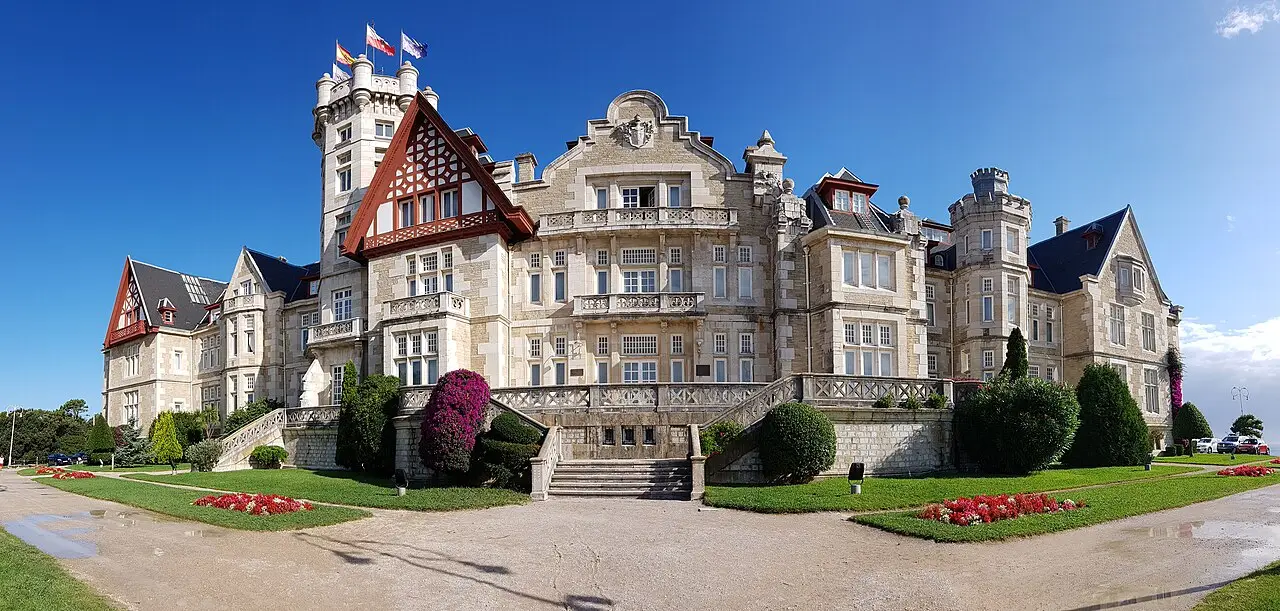
The Palacio de la Magdalena, on its peninsula above the bay.Photo: Kokonotanloko · CC BY-SA 4.0 You come down from the valleys to the capital, and the change is total: from stone huts to a bay open to the Cantabrian Sea. Santander is easy to explore on foot, so leave the van parked and walk. First up is the Magdalena peninsula, with its beach, its small open-air zoo and the palace.
The Palacio de la Magdalena was built between 1909 and 1911 by public subscription, paid for by the city council and local families, so the royal family could spend their summers here. From there runs the whole Sardinero seafront, with its two beaches and the Gran Casino. On the other side, next to the old town, is the Centro Botín, the art museum designed by Renzo Piano that opened in June 2017: two pieces floating over the bay that have become the new postcard.
For lunch, the Mercado de la Esperanza and rabas, fried squid in batter, which is close to a religion here, with some Santoña anchovies. In the afternoon, a walk along the bay and back out of the centre to sleep.
What to see
- The Magdalena peninsula and palace
- El Sardinero and its seafront promenade
- The Centro Botín, over the bay
Where to sleepIn the service areas and campsites around Santander. In the centre, park up and walk.
Heads upSantander is a city: only drive the van in as far as you need to. If it's your first time behind the wheel of a camper, these tips for the first few kilometres help with parking.
Santillana del Mar and El Capricho in Comillas
2Santander4Comillasvia Santillana del Mar 49 km ≈ 55 min
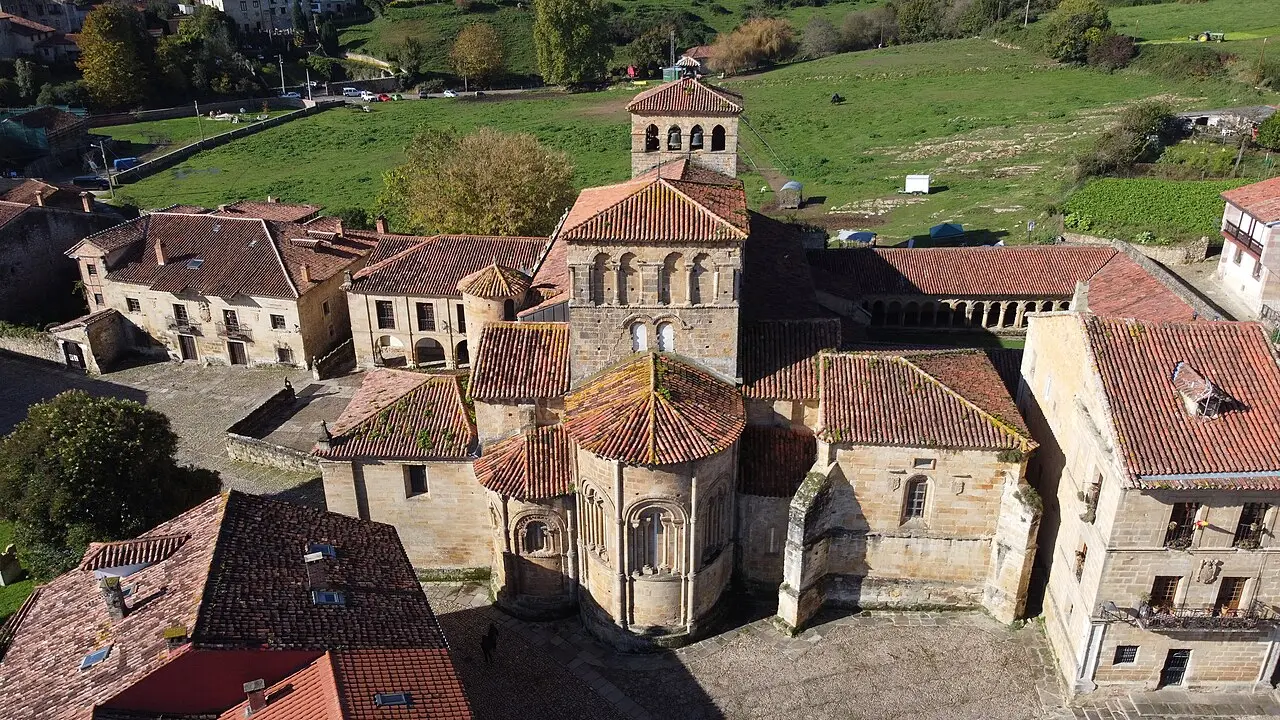
The collegiate church of Santa Juliana, in Santillana del Mar.Photo: Luis Fermín Turiel Peredo · CC BY-SA 4.0 A short coastal stage, the kind that leaves time for two stops. The first is Santillana del Mar, the medieval village known as "the town of three lies", because it isn't holy (santo), it isn't flat (llano) and it has no sea (mar). What it does have is an intact stone old town and the collegiate church of Santa Juliana, Romanesque and a National Monument since 1889, which gives the village its name.
Two kilometres away is Altamira. The original cave can't be visited, to protect it, but the National Museum has the "neocave", an exact replica of the bison chamber; bookings and opening times are on the Altamira Museum website. From there you carry on to Comillas, and here comes the surprise: El Capricho, a modernista villa designed by Antoni Gaudí and built between 1883 and 1885, one of his few works outside Catalonia. Next to it, the Pontifical University and the Palacio de Sobrellano round off a village that feels built on another scale.
You sleep around Comillas. It's small, dinner is good and waking up here, with the sea a step away, is part of the plan.
What to see
- The collegiate church and the streets of Santillana del Mar
- The Altamira neocave
- Gaudí's El Capricho and the Pontifical University, in Comillas
Where to sleepAround Comillas, in a service area or campsite.
Heads upAltamira and the house-museums have capacity limits and opening times that change by season. Buy your ticket online and save yourself a wasted trip.
San Vicente de la Barquera and home
4Comillas6San Vicente de la Barqueravia Oyambre Beach 12 km ≈ 20 min
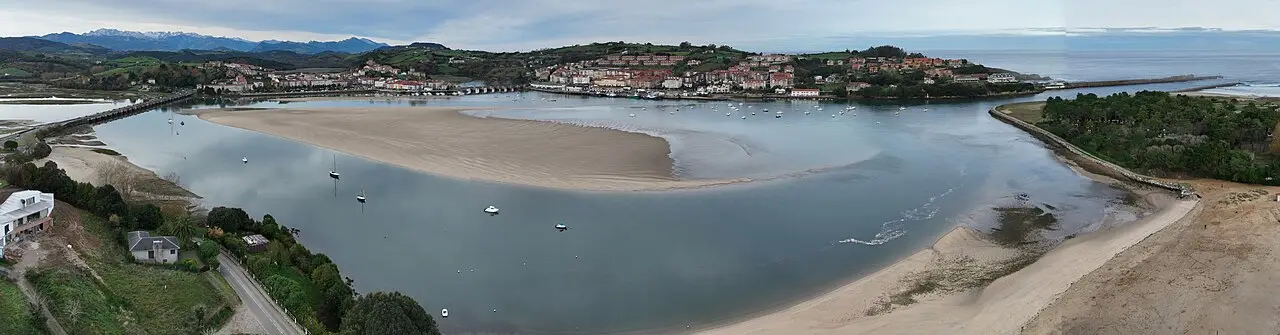
San Vicente de la Barquera, with the Picos de Europa behind.Photo: Luis Fermín Turiel Peredo · CC BY-SA 4.0 The last stretch is short and it's the prettiest part of the coast. San Vicente de la Barquera looks out over an estuary crossed by the Puente de la Maza, with the old town climbing up towards the church of Santa María de los Ángeles and the castle. And behind it all, the Picos de Europa: on a clear day, the sea in the foreground and the snowy mountains behind is the photo that sums up the trip.
The town is inside the Oyambre natural park, so if you have time to spare, Oyambre beach and the marshes are worth a stop before lunch. Here you eat the day's fish and seafood, and cocido montañés if you fancy something heartier.
Then it's time to head back. From San Vicente, Madrid is an easy day's drive; if you set off early, you arrive in daylight. And if you're left wanting more of the north, the Cantabrian coast links up effortlessly with the Picos de Europa, just to the west.
What to see
- The Puente de la Maza and the estuary
- The old town and the church of Santa María de los Ángeles
- The Picos de Europa behind, from the estuary
Where to sleepIf you stretch the return, around San Vicente or the western coast. Always stay overnight sensibly: we explain how in where it's legal to sleep in a campervan.
Heads upDon't run the tank low for the drive home: fill up in San Vicente or Torrelavega before joining the motorway.
Back to Plaza de Castilla: San Vicente de la Barquera → Plaza de Castilla · 421 km · ≈ 5 h 5 min · on day four itself, or linking up with the Picos de Europa if you have more time
Before you set off
- Book any caves you want to visit before you leave: El Castillo in Puente Viesgo and the Altamira neocave have capacity limits and sell out in high season.
- A rain jacket within reach: in the north the weather changes fast at any time of year.
- Download the route GPX before you go, in case you lose signal inland.
- Fill the tank in the bigger towns: Torrelavega, Santander or San Vicente.
- For overnight stays, use the villages' service areas and campsites. Parking and sleeping are regulated town by town, so check where it's legal to sleep in a campervan.
When to go
Cantabria works all year round. The green that makes it beautiful comes from the rain, so there's no bad season: in winter, in a van with heating, you have half of Cantabria to yourself and the caves and museums without queues. June and September are the easiest months, with good weather and an uncrowded coast; in high summer everything is open, but the coastal villages fill up and finding a spot in the service areas is harder.
We see it in our own bookings: July and August are by far the busiest months, while June and September stay quieter. If you can choose, those shoulder months give you the same Cantabria with half the queue. And bear one thing about the north in mind: an orbayo, that fine drizzle, can roll in at any time of year, so the rain jacket always stays in the van.
Where to sleep and refuel
Sleep in the service areas and campsites of the villages on the route: there are some in the Pas area, around Santander, in Comillas and in San Vicente de la Barquera. Parking and overnight stays are regulated town by town and change often, so use signposted spots and avoid improvising at a viewpoint or on a seafront promenade. If you're unsure what counts as an overnight stay and what counts as camping, we cover it in the guide to where to sleep in a campervan.
Refuel in the bigger towns (Torrelavega, Santander, San Vicente) and don't run the tank low inland, where petrol stations are further apart. Same with water and emptying: use every service area you come across.
What to eat along the way
Cantabria tastes as good as it looks. In the Pas valleys, sobaos and quesadas, the area's traditional sweets, sold freshly baked in any bakery along the way. In Santander, rabas and Santoña anchovies. On the coast, the day's fish and seafood at the ports. And if the day calls for something hearty, cocido montañés, with beans, cabbage and pork from the matanza. Fill the van's fridge at the markets and have dinner with a view.
If you have more days
This is our four-day version, but the van is yours to stretch:
- The Picos de Europa: from San Vicente, the mountains are to the west and you combine sea and peaks on the same trip. Here's the full Picos route by campervan.
- The La Hermida gorge and Potes: Liébana, heading inland, with the Fuente Dé cable car to finish.
- The eastern coast: Santoña, Monte Buciero and the beaches of Laredo and Noja, towards the Basque Country.
- The inland valleys: Vega de Pas, Selaya and the Pas mountain passes, to stretch the first day among huts and meadows.
We set off from Madrid with the van checked over and spotless, and we'll answer any route questions on WhatsApp before you leave.
Related routes
- Picos de Europa by campervan: a 5-day route
- Galicia by campervan: a 9-day route from Madrid
- Madrid's sierra and Gredos by campervan: a weekend break
Before you book
For this route we like Índico: it has a pop-up roof, heating and a shower, which you'll appreciate in a land where an orbayo can roll in. It's the all-rounder of the fleet, the one that works for almost anything, and it's from €90/day. If there are two of you, Adriático (from €70/day) is more than enough. Check the requirements, what's included and how booking works in the guide to renting a campervan in Spain: the price you see in the search is the price you pay, no small print.
Up for Cantabria? Choose your dates and book →
Frequently asked questions
How many days do I need to see the Cantabrian coast by campervan?
Four days let you see the essentials of Cantabria without rushing: the Pas valleys, Santander, Santillana del Mar, Comillas and San Vicente de la Barquera, with short stages between stops. On a three-day long weekend you focus on the coast; with five or six days you link up with the Picos de Europa and nail it.
How long does it take to drive from Madrid to Cantabria in a campervan?
The first stop on the route, Puente Viesgo, is about 360 km from Madrid, roughly four and a half hours at the wheel. The van leaves from Madrid, so the easy option is to set off in the morning and reach the Pas valleys with plenty of time before your first night.
Where can I sleep with a camper on the Cantabrian coast?
On the Cantabrian coast there are motorhome service areas and campsites in almost every village on the route: Santander, Comillas, San Vicente and the Pas area. Parking and overnight stays are regulated town by town and the rules change, so it's best to sleep in signposted service areas and campsites rather than improvising at any viewpoint.
What's the best time of year for this route through Cantabria?
You can do it at any time: Cantabria works all year round, and in winter, in a van with heating, you get the caves and museums without queues. June and September are the easiest months: good weather, the green at its best and fewer people than in the middle of August. The north is wetter than the rest of Spain, so pack light warm clothes and a rain jacket in any season.
Are Cantabria's roads difficult for a camper?
No. You take the motorway to the coast, and inland, towards the Pas valleys, there are winding roads but no technical stretches: fine in a campervan if you take it easy. Cities like Santander are best explored on foot, with the van parked on the outskirts.
Can you go inside the Monte Castillo caves and Altamira?
The Monte Castillo caves, in Puente Viesgo, can be visited with advance booking and in small groups. The original Altamira cave can't be visited, to protect it, but the Altamira Museum has an exact replica, the neocave. Both have capacity limits and opening times that change by season: buy your ticket on their official website before you go.