
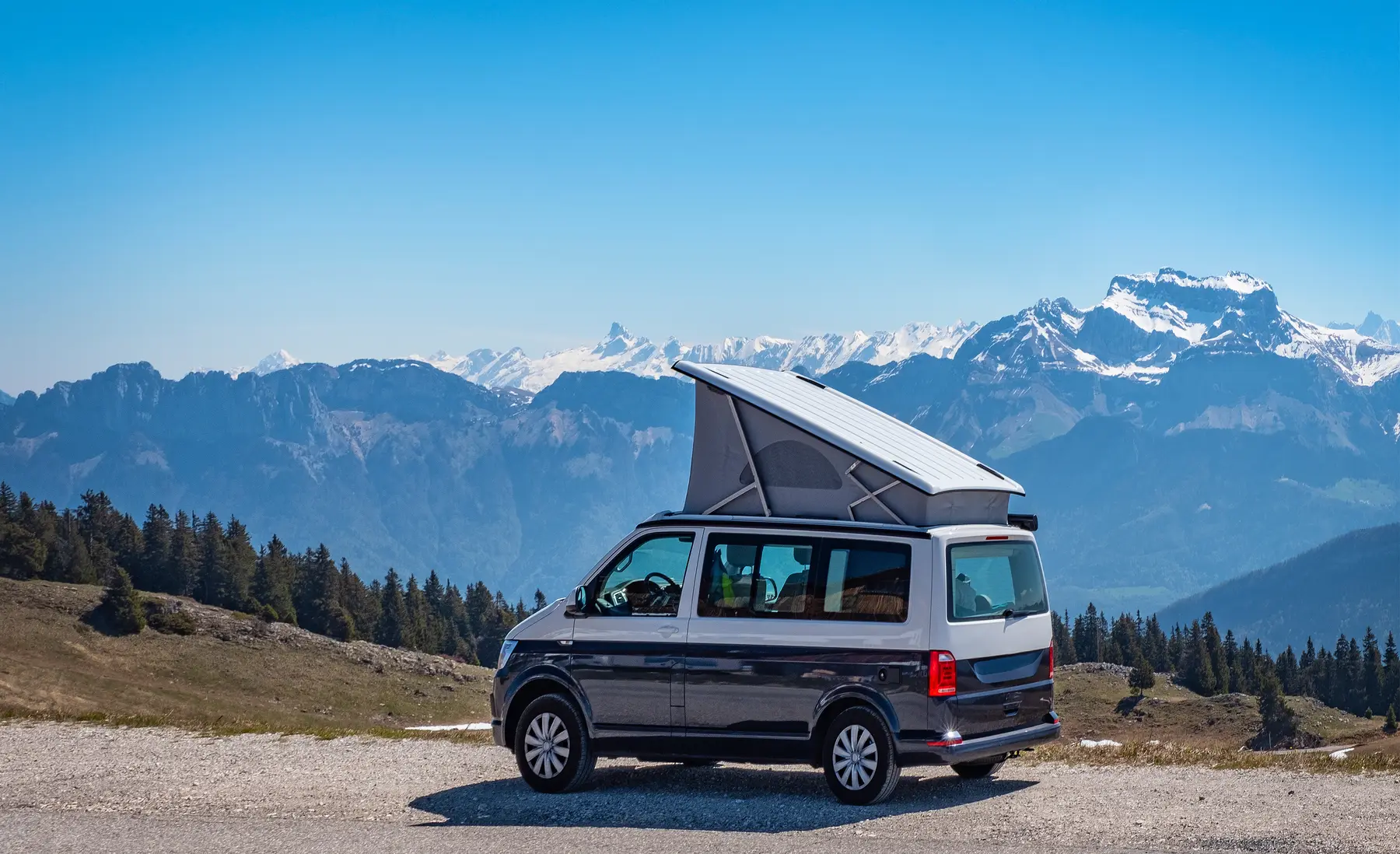
From the Pyrenees to Cabo de Gata: the great crossing
From the glaciers of Ordesa to the desert of Almería, crossing Spain from north to south. Twelve days, seven landscapes that have nothing in common, and a campervan that ties them all together. The route for anyone who wants to see (almost) everything.
There are routes for switching off, and routes for bragging about for the rest of the year. This is one of the second kind. Crossing Spain from tip to tip, from the glacial cirques of the Pyrenees to the volcanic desert of Cabo de Gata, packs seven completely different landscapes into twelve days: high mountains, villages clinging to cliffs, enchanted cities, olive-covered sierras, the Alhambra and, at the end, turquoise coves in the middle of a desert. The campervan is the only thing that ties it all together without suitcases, hotels or timetables. Let's get into it.
The map above marks the diagonal. Here's a summary of the stages.
Stage 1 (days 1–3): the Ordesa Pyrenees
Start right at the top. The Ordesa y Monte Perdido National Park is proper high mountain territory: waterfalls, glacial cirques, forests and walking routes for every level. Here you walk, and you breathe. Give it two or three days, sleep in the surrounding villages (Torla, Aínsa) and kick off the trip with your batteries and lungs full. From Madrid, the Aragonese Pyrenees are about 5 hours away, so the first day is mostly driving.
Stage 2 (days 4–5): Albarracín and the sierra
Head down towards Teruel and stop in Albarracín, repeatedly voted among Spain's most beautiful villages: salmon-coloured houses perched over a river bend, walls and medieval alleyways. The surrounding sierra offers pine forests and spots to stretch your legs. A total change of scene from the Pyrenees, and that's exactly the point.
Stage 3 (days 6–7): Cuenca, the enchanted city
Continue on to Cuenca and its hanging houses over the Huécar gorge, one of the country's most recognisable sights. Nearby, the Ciudad Encantada (Enchanted City) and the source of the Cuervo river add the nature touch. A good spot to restock, fill the pantry and rest halfway through the crossing. If you want to get to grips with managing water and battery on long stages without a hook-up, it's all covered in the campervan manual.
Stage 4 (days 8–9): Cazorla and the sea of olive groves
You enter Andalusia through the Sierra de Cazorla, Segura y Las Villas, Spain's largest protected area: forest, the source of the Guadalquivir river and mountain roads running through an ocean of olive trees. This is a place to drive slowly and savour every bend. Spend the night in the park's service areas and campsites, respecting its rules.
Stage 5 (days 10–11): Granada
Impossible to pass so close and not stop in Granada. The Alhambra (book tickets in advance), the Albaicín, the Sacromonte, and tapas that still come free with your drink. A day and a half does it justice before the final leg.
Stage 6 (day 12): Cabo de Gata, desert and sea
The ending couldn't be better. Cabo de Gata, in Almería, is a natural park: a volcanic desert that drops down onto turquoise coves like Mónsul or Los Genoveses, lighthouses, salt flats with flamingos and white fishing villages. After twelve days of mountains and stone, finishing with your feet in clear water is the perfect closing note. One thing to note: as it's a protected park, overnight stays and access to some coves are regulated, so check before you go.
Where to sleep and refuel on such a long route
The key to a crossing like this is sorting things out stage by stage. Combine motorhome service areas, campsites and spending the night wherever it's permitted, checking the relevant apps as you go through each area. Take special care in protected areas (Ordesa, Cazorla, Cabo de Gata), where camping is banned and overnight stays are restricted; you'll find the details in where it's legal to sleep in a campervan in Spain. Refuel in the towns and cities, and don't cut it fine in mountain or remote areas.
The whole of Spain, in a campervan, from the middle
Setting off from Madrid works in this route's favour: you're roughly in the middle, so you can start in the Pyrenees and head south, or do it the other way round depending on the season. The campervan is serviced and in top shape to handle twelve days of every kind of road, and we'll help you fine-tune the stages to your actual schedule over WhatsApp.
Check out the available Winkles and choose your dates and book. Few things stick in the memory quite like crossing your entire country by road.
Which campervan to choose
For the great 12-day crossing, the Winkle Báltico is the best equipped: maximum water autonomy, a fridge and solar panels.
Related routes
- Picos de Europa by campervan: a 5-day route
- Basque Coast and Landes by campervan: 7 days
- The Algarve and Portugal's Atlantic coast by campervan: 9 days
Before you book
Check requirements, pricing and how booking works in the guide to renting a campervan in Spain.
Ready to take on this route? Choose your dates and book →
Frequently asked questions
Is the crossing from the Pyrenees to Cabo de Gata demanding by campervan?
It's long, not hard. Twelve days give you enough margin for short stages (rarely more than 150–200 km a day) so you can enjoy each stop without ending up shattered. If you have fewer days, you can trim it down to three or four stretches instead of doing the whole thing; it's better to see less and enjoy it than to rush.
How many kilometres is the full route?
Around 1,400 km from the Pyrenees to Almería, not counting the drive to and from Madrid. Setting off from Madrid, which sits more or less in the middle, you can start in the Pyrenees and finish at Cabo de Gata, or do it the other way round depending on the season and the weather.
What's the best time of year for such a long north-to-south route?
Spring (May–June) and autumn (September–October) are ideal, because they suit both the north and the south: the main roads through the Pyrenees are clear of snow by then, and Almería hasn't yet hit its extreme summer heat. In summer, the south at midday is brutal; in winter, the Pyrenees get tricky.
Can you sleep well in the campervan on such a varied route?
Yes, by combining motorhome service areas, campsites and spending the night wherever it's permitted. Each area has its own rules, so it's worth checking the service-area apps stage by stage and respecting the signage, especially in nature reserves and along the Cabo de Gata coast, which is a protected natural park.