
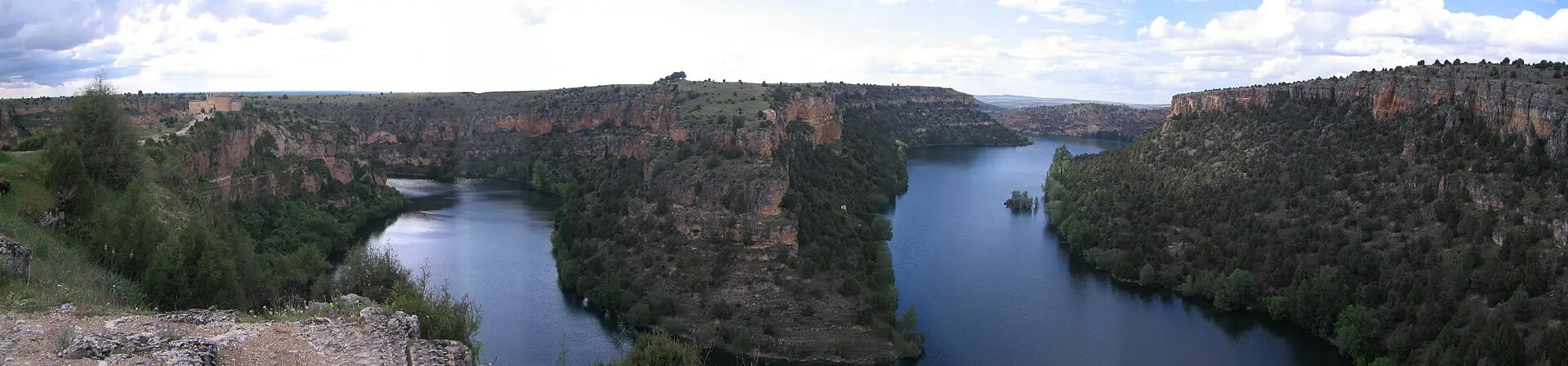
Segovia and the Hoces del Duratón by campervan, a weekend from Madrid
A short break from Madrid to the Hoces del Duratón, Sepúlveda and Segovia. Two nights, little driving and a canyon with the largest vulture colony in Europe.
An hour and a half from Madrid there is a canyon of limestone walls with a green river at the bottom and the largest griffon vulture colony in Europe wheeling overhead. This is the Hoces del Río Duratón, and the good news is you don't need a week to see it: it fits into a weekend with Sepúlveda as a base, Pedraza on the way and Segovia to round it off. It is a route with little driving and plenty of lovely places, built for people heading out for the first time who don't want six hours at the wheel on day one. Three stone towns, a natural park and a Roman aqueduct, all within the province of Segovia and sleeping wherever the afternoon leaves you.
- Days
- 3Segovia · Castilla y León
- Route in the area
- 58 km+ 212 km there and back from Plaza de Castilla
- Behind the wheel
- ≈ 1 h 15 minapprox., without stops
- Best time
- May, June and SeptemberFrom spring to early autumn; summer is hot on the plateau
Roads: Motorway to Segovia or easy main roads to Sepúlveda. No hard mountain driving; it is easy in a campervan, first time included.
Best Winkle: Adriático · for two and simple, exactly what a short break asks for
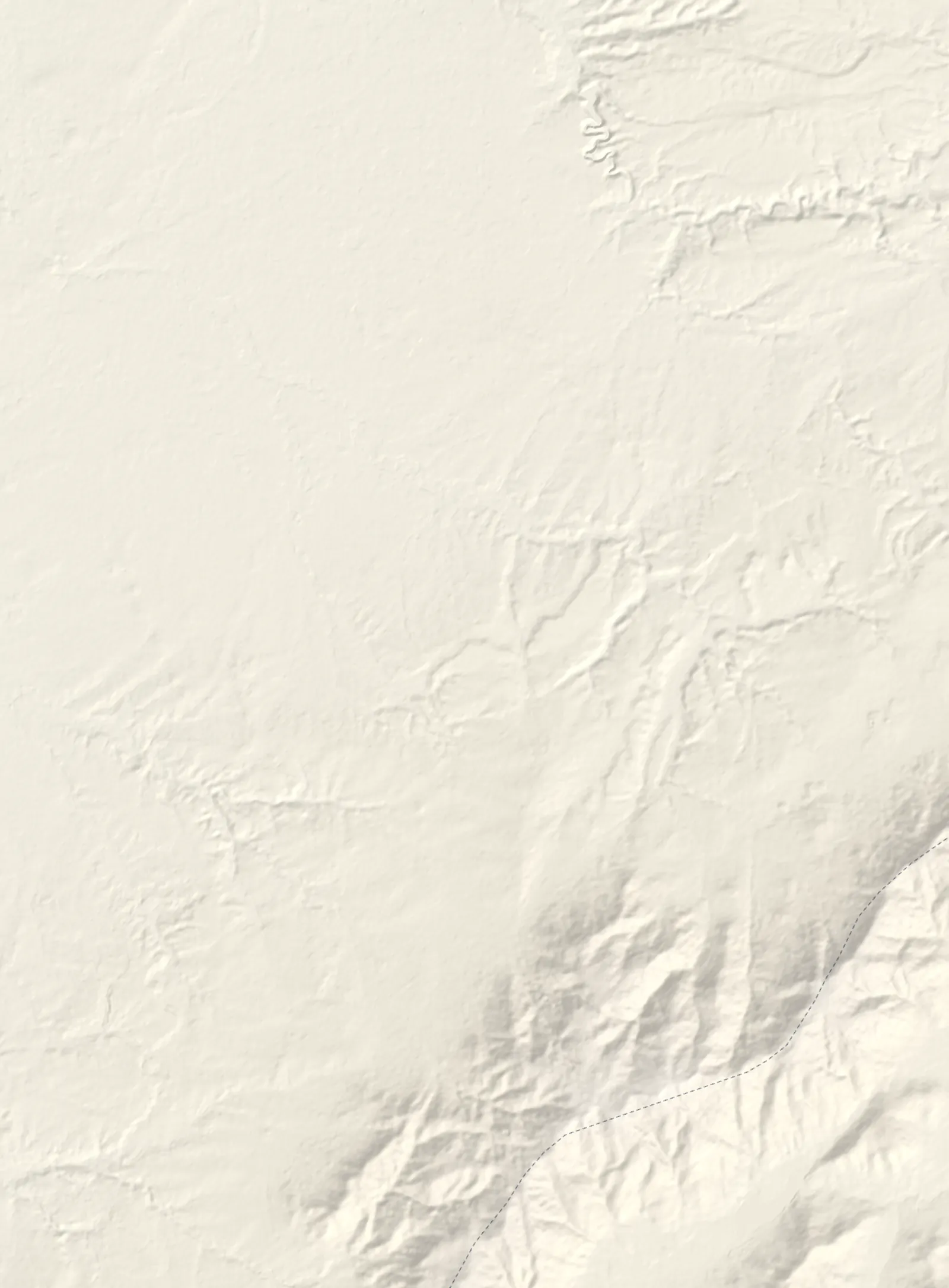 HOCES DEL DURATÓN NATURAL PARKSEGOVIAGUADARRAMA RANGESan Frutos hermitage1Sepúlveda2Pedraza3Segovia
- 1 Sepúlveda
- 2 Pedraza
- 3 Segovia
- San Frutos hermitage
From Plaza de Castilla: 119 km · ≈ 1 h 35 min Back to Plaza de Castilla: 93 km · ≈ 1 h 20 min
© OpenStreetMap contributors (trazado: OSRM) · Natural Earth · relieve: AWS Terrain TilesDay by day
From Madrid to Sepúlveda
Madrid (Plaza de Castilla)1Sepúlveda 119 km ≈ 1 h 35 min
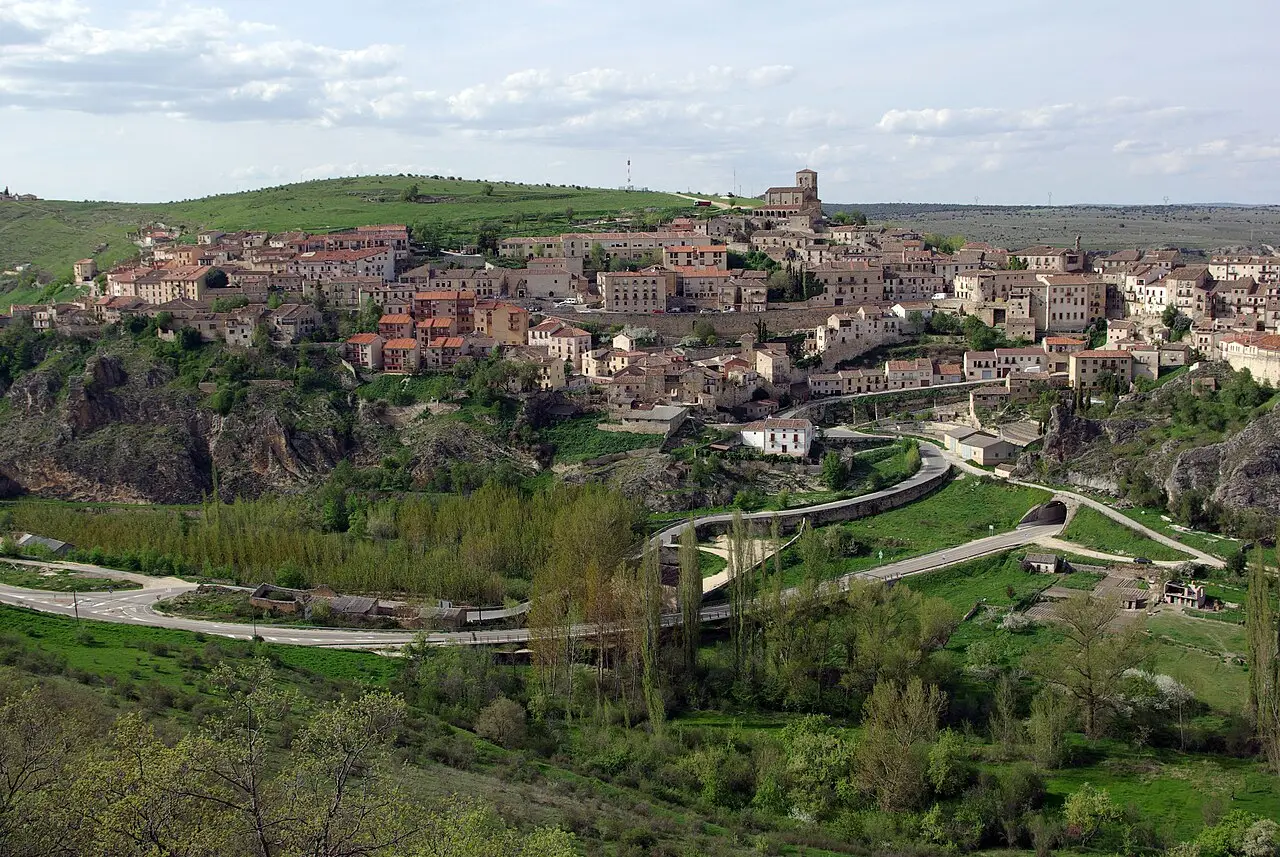
Sepúlveda, looking out over the river. It is the natural base for entering the Hoces del Duratón.Photo: David Perez · CC BY 3.0 You set off from Plaza de Castilla and in just over an hour and a half you are parking in Sepúlveda, a town perched above the river that was a historic site long before this filled up with campervans. The first thing to do is climb to Los Barrancos: from the edge of town the first cut of the gorge already appears, and it is the starter for what you will see tomorrow. The old town is for getting lost without a map. The square, the church of El Salvador up top, the stretches of wall and the lanes dropping down towards the river. Sepúlveda also has the Casa del Parque, the visitor centre for the Hoces: it is worth a stop to find out where you can and can't walk, because the canyon is a protected area and it changes with the season. The afternoon fades, you start the van and look for a spot for the first night.
What to see
- The Los Barrancos viewpoint over the gorge
- The church of El Salvador
- Sunset from the wall
Where to sleepAround Sepúlveda, at a campsite or signposted area.
Heads upIf you leave Madrid late, no problem; the leg is short and on good roads.
The Hoces del Duratón, Pedraza and on to Segovia
1Sepúlveda3Segovia 58 km ≈ 1 h 15 min
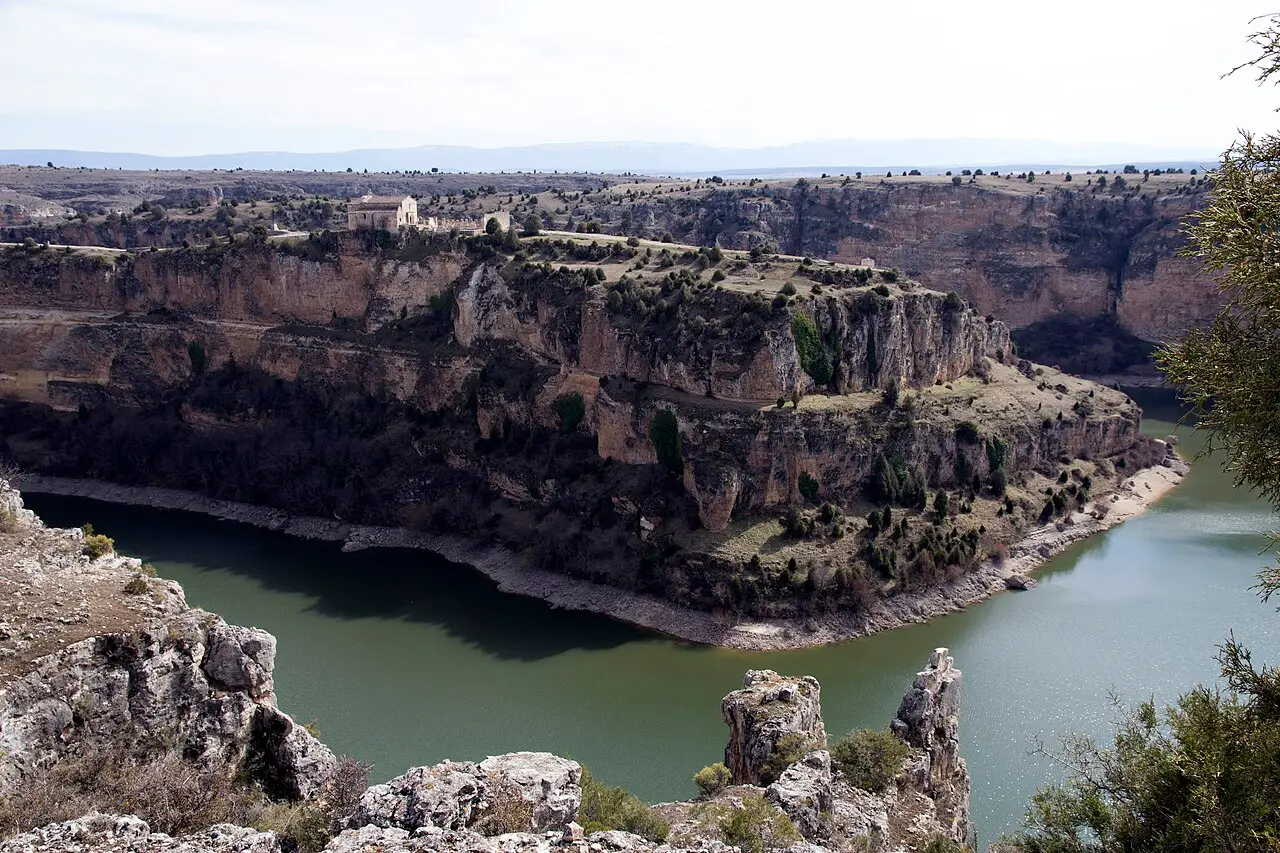
The San Frutos hermitage, above the meander of the Duratón. The reason you come here.Photo: Ángel Antonio Caminero Gómez · CC BY-SA 3.0 es The main event is the morning. The Duratón, which runs down to join the Duero, has carved a canyon into the limestone between Sepúlveda and Burgomillodo, and on one of the river's bends, on a spur, sits the San Frutos hermitage. The picture is the full meander beneath your feet and the vultures passing at face height. The park was declared in 1989 and that griffon vulture colony is considered the largest in Europe, so it is not unusual to see several in the air at once. You leave the van in the car park for the hermitage and reach it on foot, a short, flat walk. Here is the important warning: part of the canyon has access restricted by the birds' breeding season, and kayaking needs a permit. None of this can be guessed, you ask: at the Casa del Parque in Sepúlveda or on the Junta de Castilla y León website they tell you what is open the weekend you are going. In the afternoon, on the way to Segovia, stop at Pedraza. It is a complete walled medieval town, with a single gateway, an arcaded square of the kind that makes you stop and look, and a castle at the end. You can see it in a couple of hours and it leaves a good taste before you drop down to sleep near Segovia.
What to see
- The San Frutos hermitage above the meander
- The griffon vultures from the viewpoint
- The square and wall of Pedraza
Where to sleepNear Segovia, to start Sunday at the foot of the city.
Heads upTake water and a hat for the walk to the hermitage; there is no shade or water in the canyon.
Segovia and back to Madrid
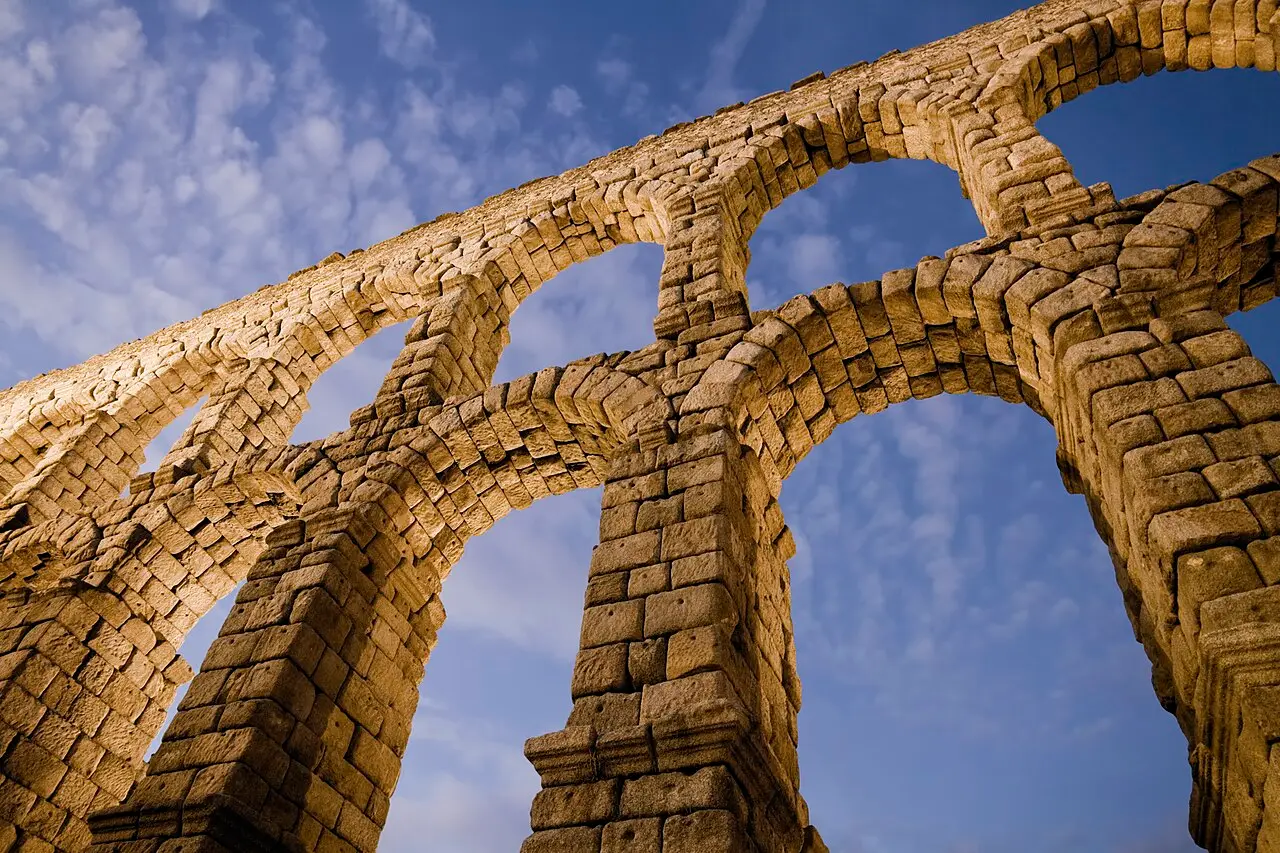
The aqueduct of Segovia, standing for almost two thousand years. The perfect end to the route.Photo: David Corral Gadea · CC BY-SA 3.0 es Sunday is for the city. The aqueduct greets you as soon as you reach the centre: the Romans raised it in the early second century and it carried water to Segovia until 1973, which explains why it still stands in the middle of a square. The old city and the aqueduct itself have been a World Heritage Site since 1985. From the Azoguejo you climb up through the old town to the Alcázar, the fortress that looks like the prow of a ship leaning over the valley and that goes back to the twelfth century. Cathedral, Jewish quarter, lanes and a suckling pig if you fancy the classic. Eat without rushing before you take the van, as the drive back to Plaza de Castilla is just over an hour and most of it is motorway. You finish the weekend with half of Spain behind you and without a single early start.
What to see
- The aqueduct from the Azoguejo square
- The Alcázar over the Eresma valley
- The cathedral and the old town lanes
Where to sleepHome again; or one more night if you stretch the weekend (see below).
Heads upPark the van outside the walled centre and walk up; Segovia's old town is narrow.
Back to Plaza de Castilla: Segovia → Plaza de Castilla · 93 km · ≈ 1 h 20 min · from Segovia to Plaza de Castilla, just over an hour by motorway
Before you set off
- Check at the Casa del Parque in Sepúlveda which parts of the canyon are open your weekend.
- If you want to kayak the river, the permit is arranged beforehand, not at the bank.
- Water and a hat for the walk to the San Frutos hermitage; there is no shade in the canyon.
- Check each town's parking and overnight rules before you stay the night.
- Book with some margin in spring and autumn, the good months for this route.
An hour and a half from Madrid, the Duratón river has spent centuries carving a canyon into the limestone, and overhead flies the largest griffon vulture colony in Europe. That is the image you bring home from this weekend. The best part is that it doesn't cost you a week of travel: with Sepúlveda as a base, Pedraza on the way and Segovia to finish, it all fits into two nights and very little driving.
This route is built for people heading out in a campervan for the first time who want a calm break, not an expedition. Good roads, short legs, three stone towns and a natural park, all within the province of Segovia. It is the kind that fits comfortably into a long weekend: around here the typical booking runs to about four days, so a Friday-to-Sunday fits what people usually take.
When to go
Spring and early autumn are the good months for this. May, June and September give you the green canyon, active vultures and a comfortable walking temperature. Summer on the plateau gets hot, especially at midday on the walk to the hermitage, where there is not a scrap of shade. Winter has its charm if you don't mind the cold, but the days are short for this many viewpoints.
A rule of thumb from home: at beWinkle, July and August are by far the busiest months for trips, and spring and the start of autumn run much quieter. In plain terms, if you pick May or September you find a van with less of a scramble and the place with fewer people. If you do go in summer, book with margin and get up early for the canyon.
What you can't take for granted is access to the canyon itself. The Hoces del Río Duratón has been a natural park since 1989 and is a bird breeding area, so there are stretches with restricted access depending on the season and kayaking requires a permit. This changes from one year to the next, and the good source is the Junta de Castilla y León and the Casa del Parque in Sepúlveda, not a forum. Ask before you leave and you spare yourself the disappointment of turning up with the area closed.
Where to sleep and refuel
The natural base for the route is Sepúlveda the first night and the area around Segovia the second. Both have campsites and service areas for campervans; what they don't have is free rein to sleep anywhere. Parking and overnighting are regulated town by town and change, so we check before we settle in, not after the local police car has gone by. If you get lost in the difference between parking, overnighting and camping —which are not the same thing in the eyes of the law— we explain it in the guide to sleeping in a van in Spain.
For fuel and water, Sepúlveda and Segovia have everything. Between towns the distances are short, so you won't be left stranded hunting for a petrol station: the longest leg is the outbound one, Madrid to Sepúlveda, just over an hour and a half, and from there it is all half-hour hops.
What to eat along the way
This is Castile, which means roast. Sepúlveda is the land of wood-oven roast lamb, and it has a reputation of its own; Segovia, of suckling pig. These are sit-down-with-time dishes, so better to save them for an unhurried lunch than a dinner after arriving exhausted. In between, Pedraza also boasts a roast house on its arcaded square.
The beauty of the van is that you don't depend on anyone's timetable. Breakfast with the back door open looking at the valley, a sandwich at the hermitage viewpoint, and the roast of the day whenever the treat appeals. Bring the basics in the larder and water from home, so you only stop to buy what's fresh. If it is your first time, the short list is in what to pack for your first campervan trip.
If you have more days
If you stretch to four days, there are two easy ways to extend without forcing it. One is to stay a night in Pedraza instead of passing through: it is one of those towns that fill up by day and empty by night, and seeing it with the lights on and no coaches is another thing entirely. The other is to drop down from Segovia to the Sierra de Guadarrama and link up with La Granja and its gardens before heading back.
And if what you want is to keep stacking short breaks around the area, this one is on our map of campervan routes from Madrid, alongside other weekend routes that are just as easy the first time.
Related routes
- Sierra de Madrid and Gredos by campervan: a weekend getaway
- Cuenca and the Serranía by campervan: a weekend route from Madrid
- 8 campervan routes from Madrid for 3, 5 and 7 days
Before you book
For this route you don't need a big van. You are away two or three days and in short legs, so a simple, manageable one is plenty: Adriático is the one for a couple, intimate and easy to park in a narrow old town like Segovia's. If there are four or five of you, Índico or Báltico come in, with more room. The four seas, each with its own character, are at the Winkles, and the price you see is the price you pay: insurance and mileage included, with no small print when you return it.
Look at dates in spring or September, check with the Casa del Parque which part of the canyon is open, and book your van with margin. The rest is salt, diesel and a canyon full of vultures an hour and a half from home.
Frequently asked questions
How long does it take from Madrid to the Hoces del Duratón?
From Madrid to Sepúlveda, the base for entering the Hoces del Río Duratón, it is just over an hour and a half by car on good roads, with no mountain driving. It is the longest leg of the whole route; from there, the hops between Sepúlveda, Pedraza and Segovia are about half an hour each.
Can you visit the San Frutos hermitage all year round?
The San Frutos hermitage and part of the Hoces del Duratón canyon have restricted access during the birds' breeding season, which varies from year to year. Before you go, it is worth checking with the Casa del Parque in Sepúlveda or the Junta de Castilla y León website to see which areas are open that weekend.
Do you need a big campervan for this route?
No. It is a two or three-day break with short legs, so a simple camper is more than enough. For two people, Adriático is intimate and easy to park in a narrow old town like Segovia's. If there are four or five of you, Índico or Báltico give you more room without making the driving harder.
Where can you sleep with the campervan in Segovia and the Hoces?
At campsites and service areas in Sepúlveda and around Segovia. Parking and overnighting are regulated town by town and change, so it is worth checking each place's rules before you settle in. Sleeping inside a parked van is not the same as camping in the eyes of the law.
When is the best time for the Segovia and Duratón route?
Spring and early autumn. May, June and September give you the green canyon, active vultures and good walking temperatures. Summer on the Castilian plateau gets hot at midday, right during the walk to the hermitage, where there is no shade or water.
Can you paddle the Duratón river by kayak?
Yes, but kayaking through the Hoces del Río Duratón needs a permit arranged in advance, not at the riverbank, and it is limited by the natural park's protection rules. The conditions and dates are set by the Junta de Castilla y León; it is worth checking them before you plan the trip.