
Western Asturias and A Mariña by campervan
The coast hardly anyone tells you about: the Lugo Mariña and western Asturias, five days of cliffs, fishing villages and forest. Starting from Plaza de Castilla.
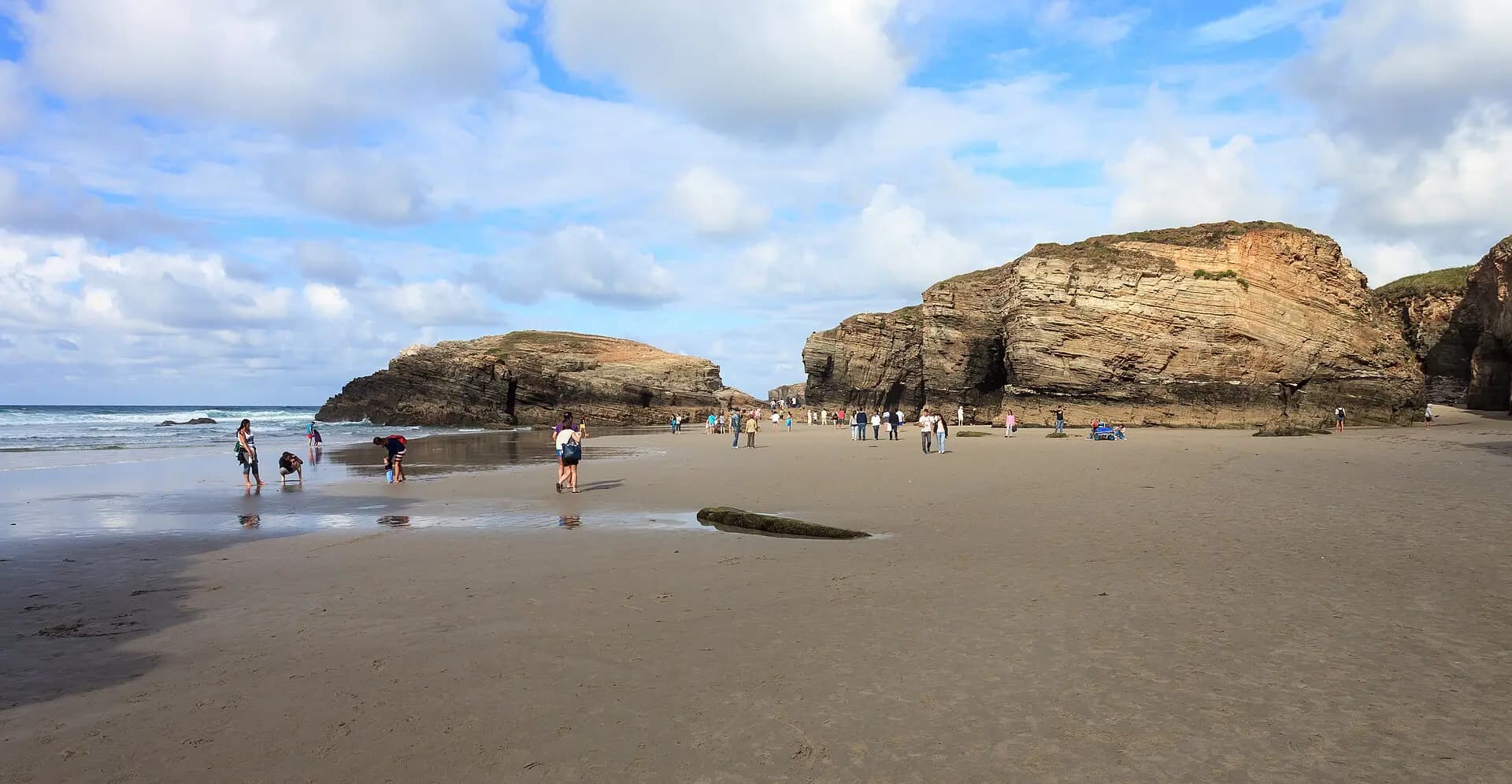
Everyone heads up to the Picos or off to the Rías Baixas, and in between there's a strip of coast that hardly anyone drives: the Lugo Mariña and western Asturias, the stretch where Galicia and Asturias shake hands over the Eo estuary. Cliffs that look like cathedrals, fishing ports wedged between rocks, and behind them, as soon as you head inland, a damp forest of watermills and stone villages.
It's five full days from Madrid, with four nights away: two on the coast, one on each side of the border, and a last one inland so you can drive home without rushing. A campervan makes complete sense here, because the good spots are far from any hotel, and at the best moment (low tide, sunset over the estuary) there's nobody waiting for you with a room key.
- Days
- 4A Mariña (Lugo) · Western Asturias
- Route in the area
- 240 km+ 1,094 km there and back from Plaza de Castilla
- Behind the wheel
- ≈ 4 h 20 minapprox., without stops
- Best time
- June and SeptemberFrom late spring to early autumn, dodging the August peak
Roads: Motorway (A-6) to the coast, then coastal and inland roads, with bends and the odd narrow stretch further in. Nothing difficult if you take it easy.
Best Winkle: Índico · the all-rounder, with a shower and heating for cool Cantabrian nights
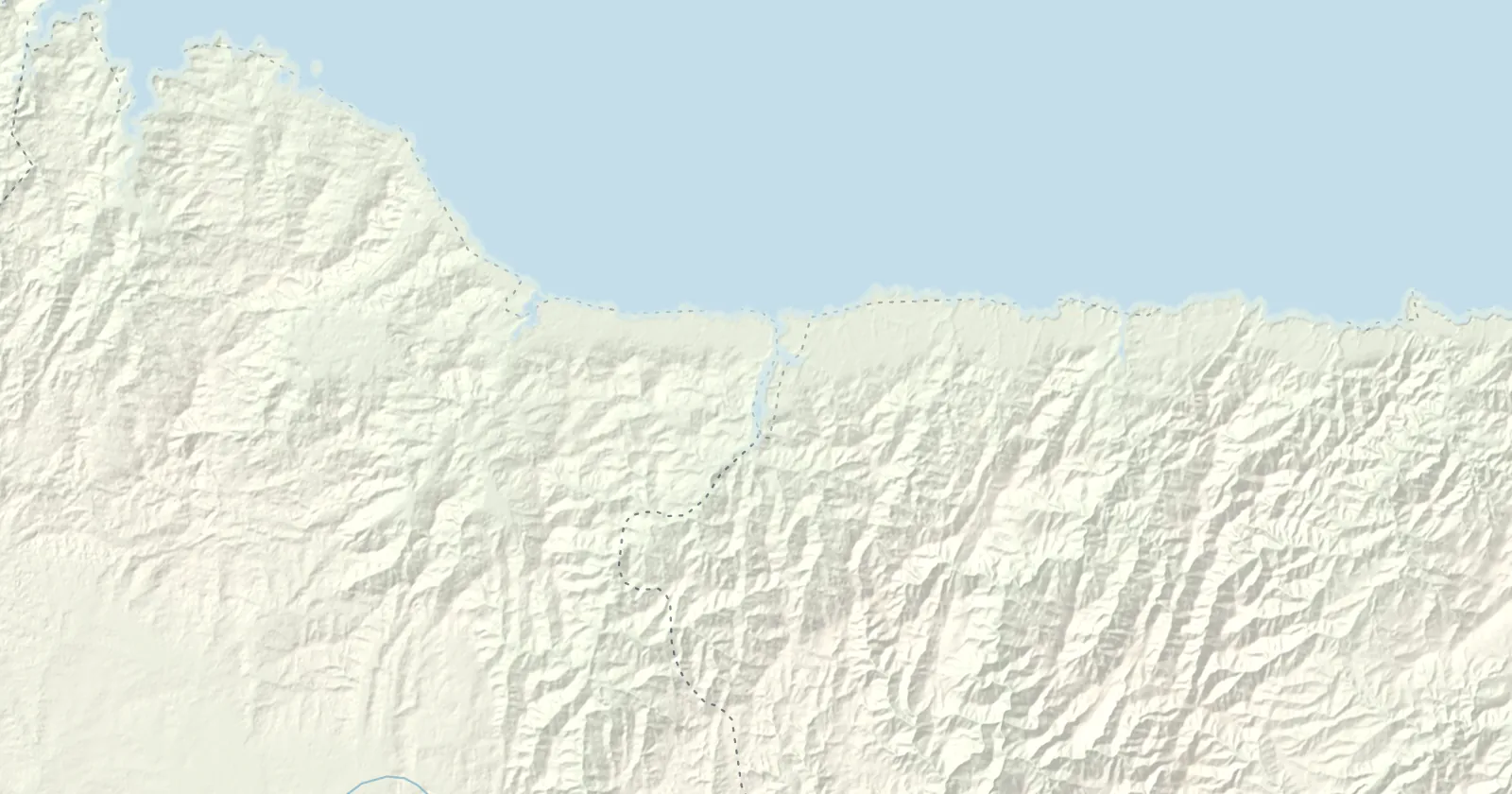 CANTABRIAN SEAA MARIÑAASTURIASLUGOAs Catedrais beach1Ribadeo2Viveiro3Luarca4Taramundi
- 1 Ribadeo
- 2 Viveiro
- 3 Luarca
- 4 Taramundi
- As Catedrais beach
From Plaza de Castilla: 560 km · ≈ 7 h Back to Plaza de Castilla: 534 km · ≈ 6 h 40 min
© OpenStreetMap contributors (trazado: OSRM) · Natural Earth · relieve: AWS Terrain TilesDay by day
From Madrid to Ribadeo
Madrid (Plaza de Castilla)1Ribadeo 560 km ≈ 7 h
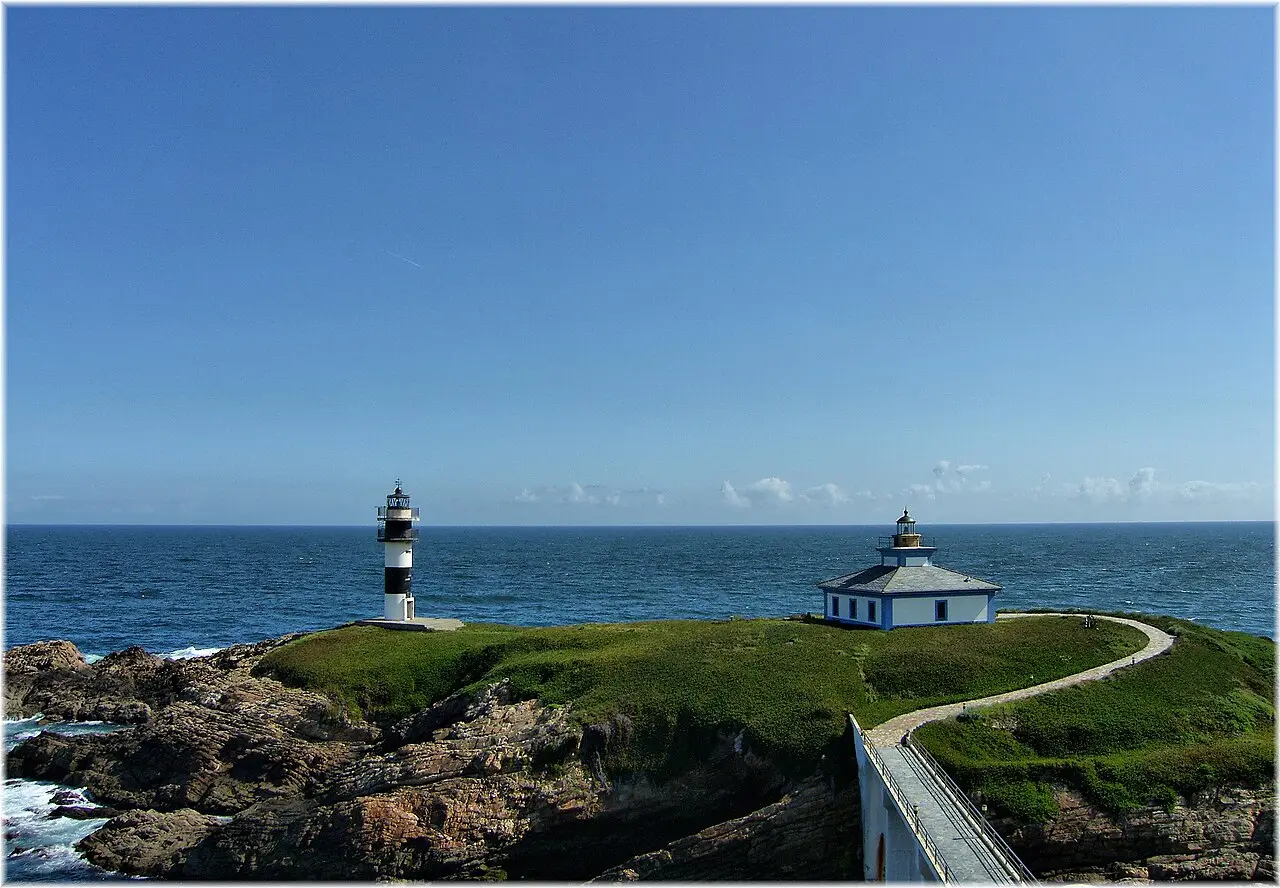
The Illa Pancha lighthouse, at the mouth of the Eo estuary.Photo: Jose Luis Cernadas Iglesias · CC BY 2.0 Leave Plaza de Castilla and climb onto the plateau. The landscape changes bit by bit: the yellow of Castile, the mountains of León, and then suddenly the green swallows the road and you smell the sea before you see it. Ribadeo greets you over the Eo estuary, which is exactly the line where Galicia ends and Asturias begins.
Don't stress about arriving in time for sightseeing: today the plan is to drive and get yourself to the coast. If you still have some afternoon left, go down to the estuary at sunset and walk out to the Illa Pancha lighthouse, on a small island joined to the shore by a footbridge. The good stuff starts tomorrow.
What to see
- The Eo estuary from the viewpoint
- The Illa Pancha lighthouse at sunset
Where to sleepAround Ribadeo.
Heads upIt's the longest driving day. If you set off at midday, split the journey and sleep halfway, around León or Ponferrada.
The Lugo coast, from Playa de las Catedrales to Viveiro
1Ribadeo2Viveiro 60 km ≈ 1 h 25 min
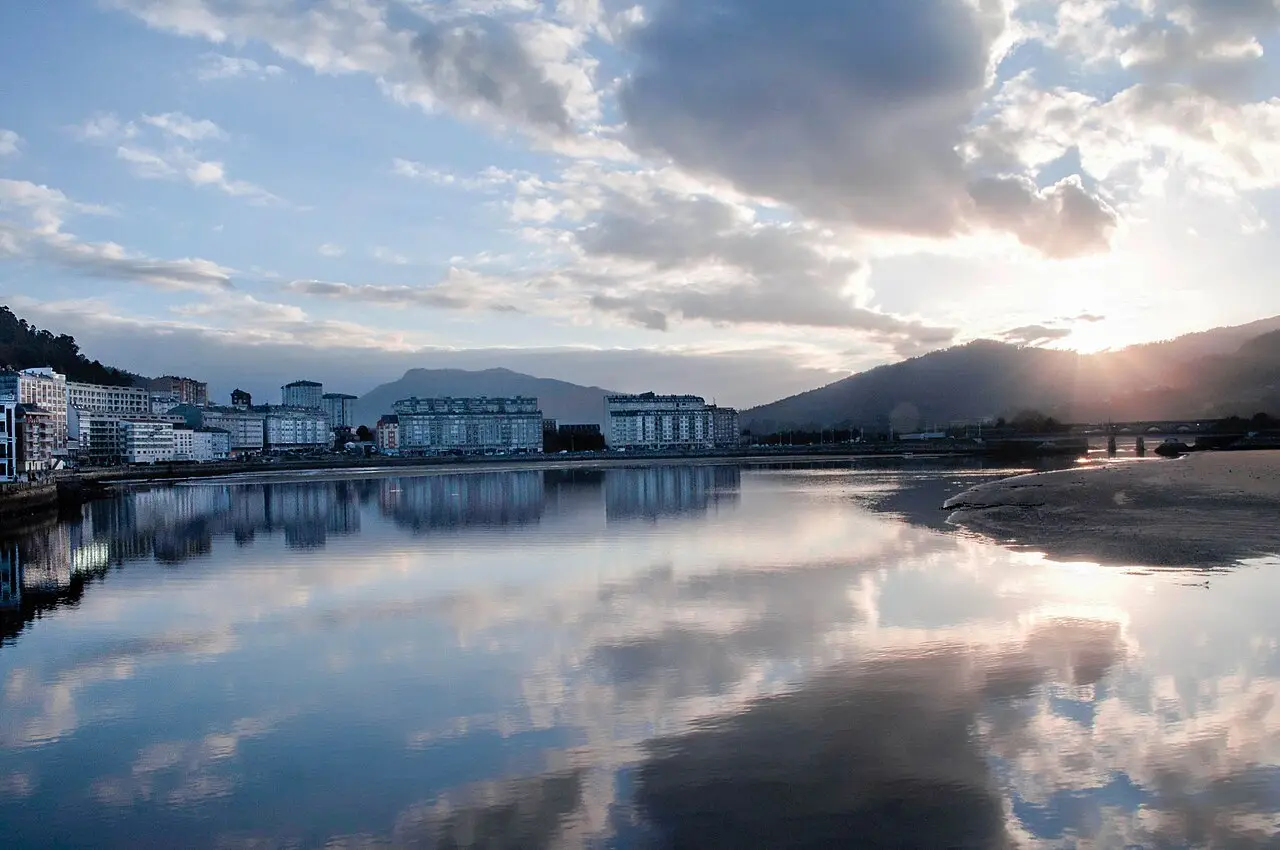
The Viveiro estuary at sunset, the finishing touch to a day on the Lugo coast.Photo: Enric Rubio Ros · CC BY 2.0 About ten kilometres west of Ribadeo is Playa de las Catedrales, the tourist name for the Aguas Santas beach. At low tide, stone arches more than thirty metres high appear, looking like the flying buttresses of a cathedral, and you can walk underneath them. The Xunta de Galicia has declared it a natural monument, which is why access is regulated: at high tide you see nothing, and at Easter and in summer you need a free pass that you get online. Check it before you go: it's free, but you can't just turn up.
From there, the Mariña opens out to the west: Foz, San Cibrao, long beaches and unpretentious fishing villages. The day ends in Viveiro, a lovely walled town (three medieval gates survive) with an estuary that turns a colour at sunset that doesn't look real. Its Holy Week has International Tourist Interest status, so if the dates line up, you know what to do.
What to see
- The arches of the Playa de las Catedrales at low tide
- The Viveiro estuary at sunset
- The gates in the medieval wall
Where to sleepIn Viveiro or near Covas beach.
Heads upYou can only see the Catedrales at low tide. Check the tide table and, in high season, get the pass on the Xunta's official website.
Over into Asturias, as far as Luarca
2Viveiro3Luarca 108 km ≈ 1 h 30 min
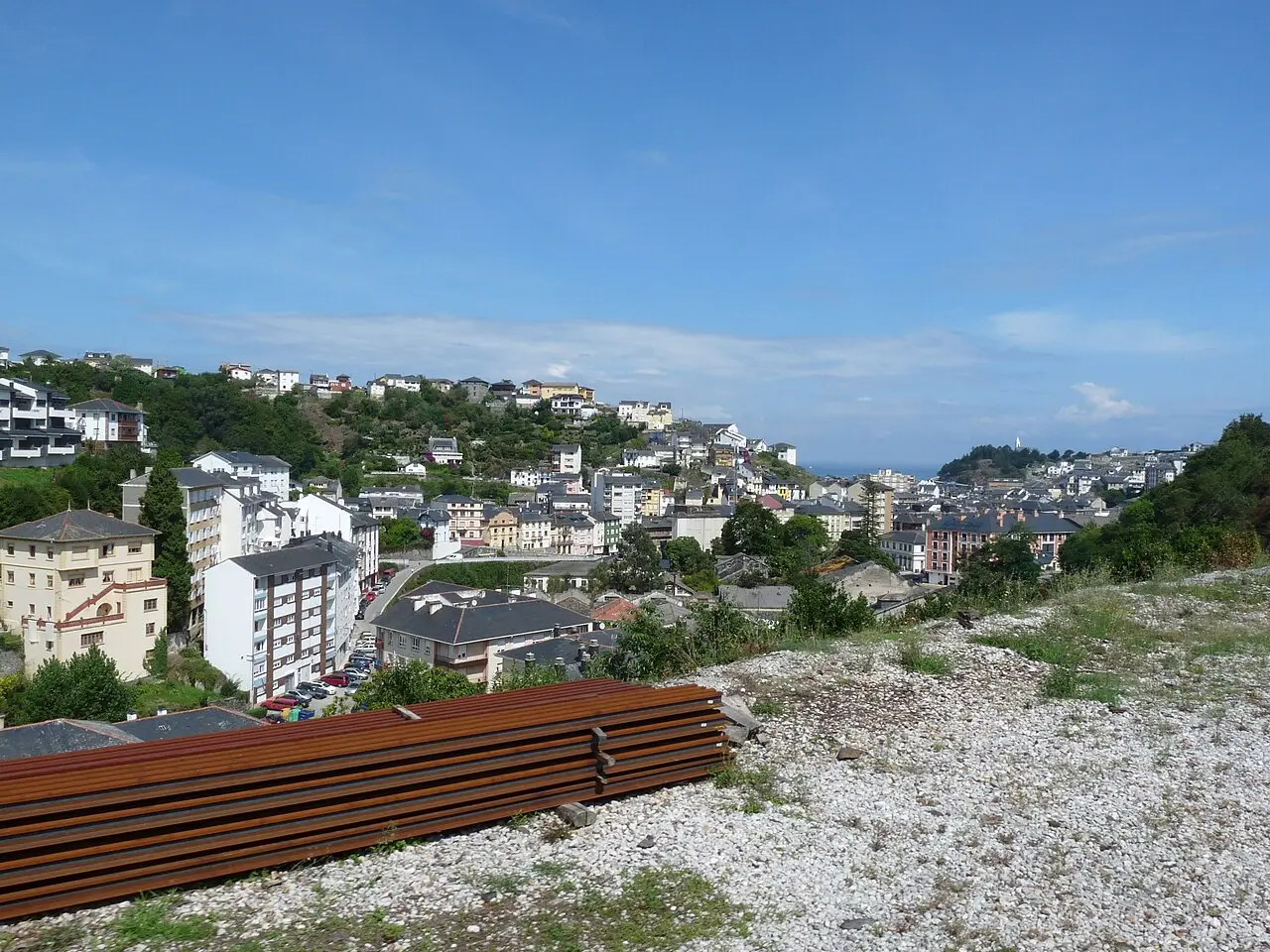
Luarca, tumbling white down to its harbour.Photo: Smiley.toerist · CC BY-SA 4.0 Today you turn back east and cross the border into Asturias. It's more of a driving day than a day for long stops, but there are places that make you brake: Tapia de Casariego, with its surf and small harbour, and above all Puerto de Vega, one of those fishing villages that make you think about moving there.
The destination is Luarca, the capital of the Valdés municipality, a white town that tumbles down to a harbour wedged between cliffs. Go up to the lighthouse and the viewpoint by the chapel to see the whole town from above, and take a stroll past the palace of the Marquis of Ferrera. Luarca lives off the sea, and you notice it at the table.
What to see
- Luarca harbour wedged between cliffs
- The lighthouse and the viewpoint above the town
- The fishing harbour at Puerto de Vega
Where to sleepIn Luarca.
Heads upLuarca's old town is narrow and steep. Leave the van somewhere roomy on the outskirts and walk down.
Inland, to Taramundi
3Luarca4Taramundi 72 km ≈ 1 h 25 min
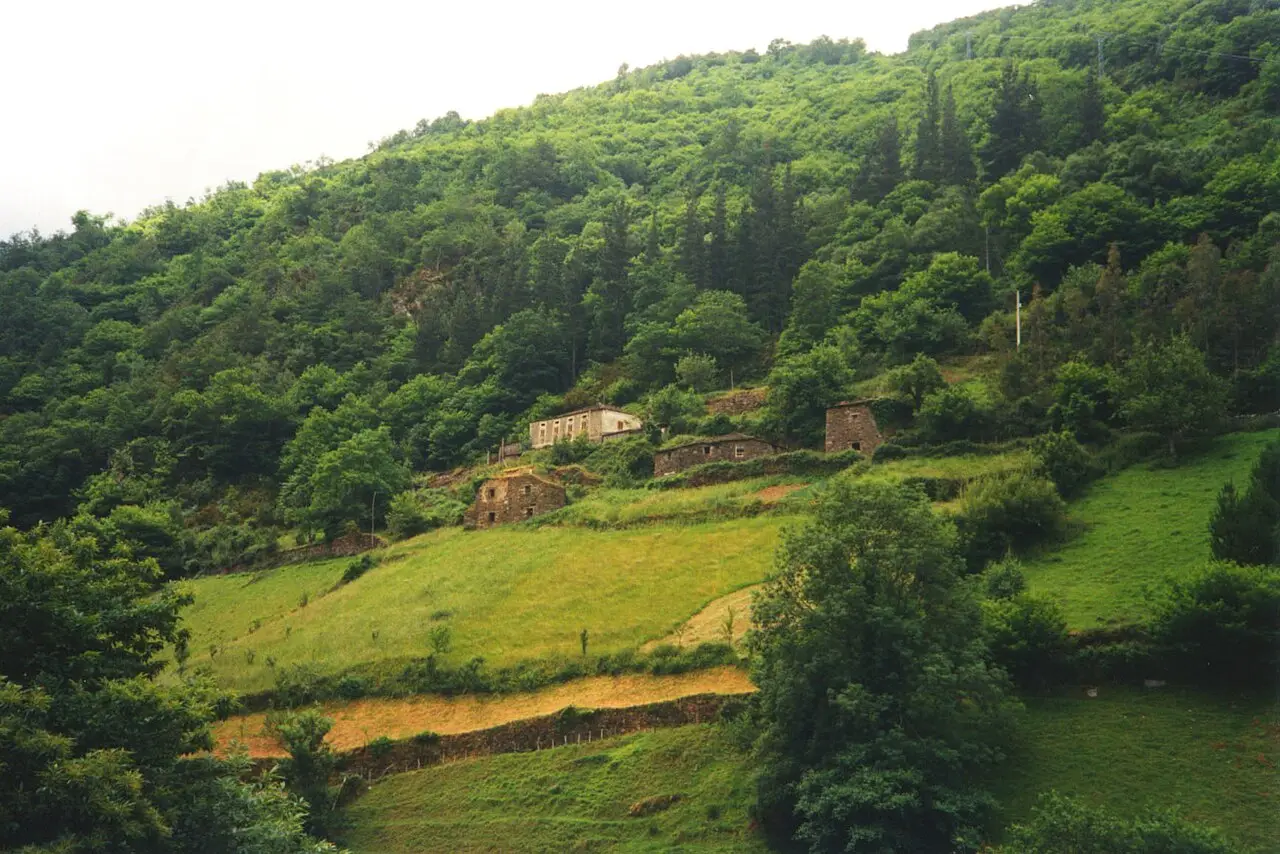
Os Teixois, mills and stone houses driven by water.Photo: Lourdes · CC BY-SA 3.0 You leave the coast and head into the western interior, where people speak Eonavian, halfway between Asturian and Galician. The landscape changes completely: forest, low mist, meadows and stone farmhouses. A good part of this area is the Eo Biosphere Reserve, recognised by Unesco.
Taramundi is famous for its ferreiros, the craftsmen who still forge knives and blades by hand; it was the first municipality in Asturias declared a Zone of Craft Interest. Close by is Os Teixois, an ethnographic site where mills, trip hammers and fulling mills still work, powered by nothing but water. It's a place to take slowly, which is what you came for.
What to see
- The watermills of Os Teixois
- The ferreiros' workshops
- The stone farmhouses in the forest
Where to sleepIn or around Taramundi.
Heads upThese are mountain roads, narrow and winding. Taken calmly they're fine in a campervan, but don't rush.
Back to Plaza de Castilla: Taramundi → Plaza de Castilla · 534 km · ≈ 6 h 40 min · Day five is the drive back to Madrid. Leaving from inland makes the journey shorter than heading back from the coast, and leaves you the morning free for one last walk in the forest.
Before you set off
- Check the tide table for Playa de las Catedrales and, if you're going at Easter or in summer, get the free pass on the official website.
- Fill up with water and empty the tanks whenever you can: there are fewer service areas inland than on the coast.
- Pack warm clothes and a rain jacket even in summer. The Cantabrian coast is green because it rains.
- Make sure you have plenty of kilometres: it's a long route there and back.
There's a stretch of coast in the north that almost everyone skips. People go to the Picos de Europa, or down to the Rías Baixas, and in between is the line where Galicia and Asturias meet: the Lugo Mariña and western Asturias. Cathedral-shaped cliffs, fishing ports tucked between rocks and, as soon as you turn inland, a forest of mist and watermills. It's one of those routes you only tell people about if they're actually going to go.
Five days is plenty to do it properly from Madrid, with four nights away. And it fits how people really travel in a campervan: the typical beWinkle booking is around four days, so a five-day trip lands just above the norm, enough that you're not run ragged. The map above shows the stages and the kilometres for each day; down here is what the map doesn't tell you.
When to go without gambling on the weather
The Cantabrian coast is green for a reason: it rains, and quite a lot. The good window runs from late spring to early autumn, but within it, not every month is the same. In our bookings, July and August are by far the busiest months of the year, and June and September come in well below. For your trip, that means in June or September you get the same sea with far fewer people, more room in the service areas and a shorter queue to see the Catedrales at the right tide.
August is beautiful, but it's when everyone has the same idea, and Playa de las Catedrales feels it more than most. If summer is your only option, that's fine: plan with more margin and book early. If you're flexible, read the best times to hire a campervan in Spain first and choose wisely.
Where to sleep and refuel along the way
The coast is well served by motorhome service areas and campsites, especially on the Lugo side and around Luarca. The interior has fewer: around Taramundi it's worth carrying a full water tank and keeping the tanks in order, because there isn't a service area round every bend. That's the point of bringing the van with you: you adapt to the place, not the other way round.
One important thing, and not a minor one: parking up to sleep and camping are not the same, and the rules change from one municipality to the next. Sleeping inside the van, properly parked, is usually legal; getting out the table, chairs and awning counts as camping, and that's regulated. Before you take anything for granted, have a look at our guide to where you can sleep in a campervan without camping, which explains it place by place. In a natural monument area like the Catedrales, don't even think about spending the night next to it: there are specific rules there, and they do fine people.
What to eat, because that's part of the trip too
This route tastes as good as it looks. In the Mariña and western Asturias the sea rules: octopus, goose barnacles when there are any, the day's catch at the ports of Foz, San Cibrao or Puerto de Vega. In Luarca, anywhere on the harbour will do. And as soon as you head towards Taramundi the menu changes: cheese, Taramundi bread, fabada and cider, which the area also knows a thing or two about.
Leave room in the fridge. Buying at the fish markets and small markets along the way and cooking one night in the van, looking out over the estuary, is cheaper and, frankly, tastes better than any packed terrace. If you're travelling as a group and want plenty of room to eat inside, take a look at which campervan to choose for your group size before you book.
If you have more days
The route stretches easily at both ends. To the east, from Luarca you're within reach of the Picos de Europa, which need their own days and are a different league of mountain. To the west, past Viveiro, begins the Galicia of lighthouses and fishing villages we cover in the Galicia campervan route: in fact, this route is exactly the A Mariña stretch we left for later there. And if what you fancy is following the Cantabrian coast towards home, the Pas coast of Cantabria links up beautifully.
Before you book
This is a long-distance route, so the first thing is to count the kilometres properly. The base rate includes 100 kilometres a day, and you'll go over that once you add the drive up, the drive back and the back and forth along the coast; the usual thing is to add more when you book, since they're à la carte. We show you how to do the maths in kilometres when hiring a campervan so you have it sorted before you leave, with no surprises when you return the van.
The rest comes as standard: fully comprehensive insurance, 24/7 assistance across Europe, and the price you see is the price you pay. Choose your Winkle from the fleet (for this cool coast, the Índico is more than enough with its shower and heating) and, once you have your dates, book online. If you still have a beginner's question, the kind you're embarrassed to ask, write to us: that's what we're here for.
Frequently asked questions
How many days do I need for this route?
This route through western Asturias and the Lugo coast is designed for five days with four nights away: one to reach Ribadeo, two on the coast (A Mariña and western Asturias), one inland in Taramundi and the fifth to drive back to Madrid. With fewer days it falls short because of the distance; with more, you can enjoy it without rushing.
Which campervan works best for this route?
For the Cantabrian coast, a campervan with a shower and heating works well, because mornings and nights are cool even in summer. beWinkle's Índico is the all-rounder and more than up to it; the Índico has 4 seats; if there are five of you, the Báltico, which has 5. What matters is staying warm and being able to shower after the beach.
Can I see Playa de las Catedrales without booking?
Playa de las Catedrales only shows its arches at low tide, so the first thing is to check the tide table. On top of that, at Easter and in summer access is regulated by the Xunta de Galicia and you need a free pass that you get online. Outside those dates you don't usually need one, but it's worth checking beforehand.
How long does it take to drive from Madrid to Ribadeo in a campervan?
From Plaza de Castilla to Ribadeo it's about 560 kilometres, roughly six and a half to seven hours' driving on the A-6, not counting stops. It's the longest stretch of the route. If you set off at midday, the easiest thing is to split it, sleep halfway around León or Ponferrada and reach the coast fresh.
When is the best time to do this route?
The Cantabrian coast is at its best from late spring to early autumn. In beWinkle's bookings, July and August account for most of the year's bookings, while June and September drop off quite a bit: they're the months with the best balance between good weather and peace and quiet, and you'll find more room in the service areas and shorter queues at the Catedrales.
How many kilometres do I need for this route?
It's a long route there and back, so it adds up to a lot more than the 100 kilometres a day included in beWinkle's base rate. The usual thing is to add kilometres when you book; they're à la carte and worked out in advance so there are no surprises when you return the van.